1 - Demographic details
The Rediscovery Centre’s Circular Economy Communication Insight Series found that gender reveals significant differences in areas like clothing, consumption, repair and reuse behaviours. Similarly, age proved to be a significant factor as the youngest and oldest cohorts express the greatest environmental concern (U-shaped relationship). The study also showed differences are also seen in relation to trusted sources of information and engagement with sharing/renting practices.
People in lower social grades report lower familiarity with the Circular Economy, and are more likely to cite cost and accessibility as barriers. Elsewhere, people with lower educational attainment are less likely to hear about climate change in the media they consume, and less likely to trust information on climate change coming from NGOs, scientists, politicians, community leaders and educators.
 2- Awareness growing in Ireland
Recognition of the circular economy is growing in Ireland. In 2021, when we first looked at awareness levels across the country, only 25% of the people living in Ireland had heard of the term. However, the same survey was repeated in 2023, and it rose to 42%, before reaching 55% by 2024. This means that the recognition of the term increased by 30 percentage points.
3 - The understanding gap
The market research showed that many (60%) have low levels of understanding of the circular economy. In other words, they have heard the term but they don’t know what it actually means or could not explain it. Surprisingly, the levels of understanding remain low even when the term was explained.
4 - Public support is strong but barriers remain
The majority of people in Ireland think the circular economy is a good idea, and most would like to see it applied to three key sectors: Plastic, clothing and general products. Likewise, 68% of the people think that moving to a circular economy should be prioritised by the government and businesses.
 Turning insights into action
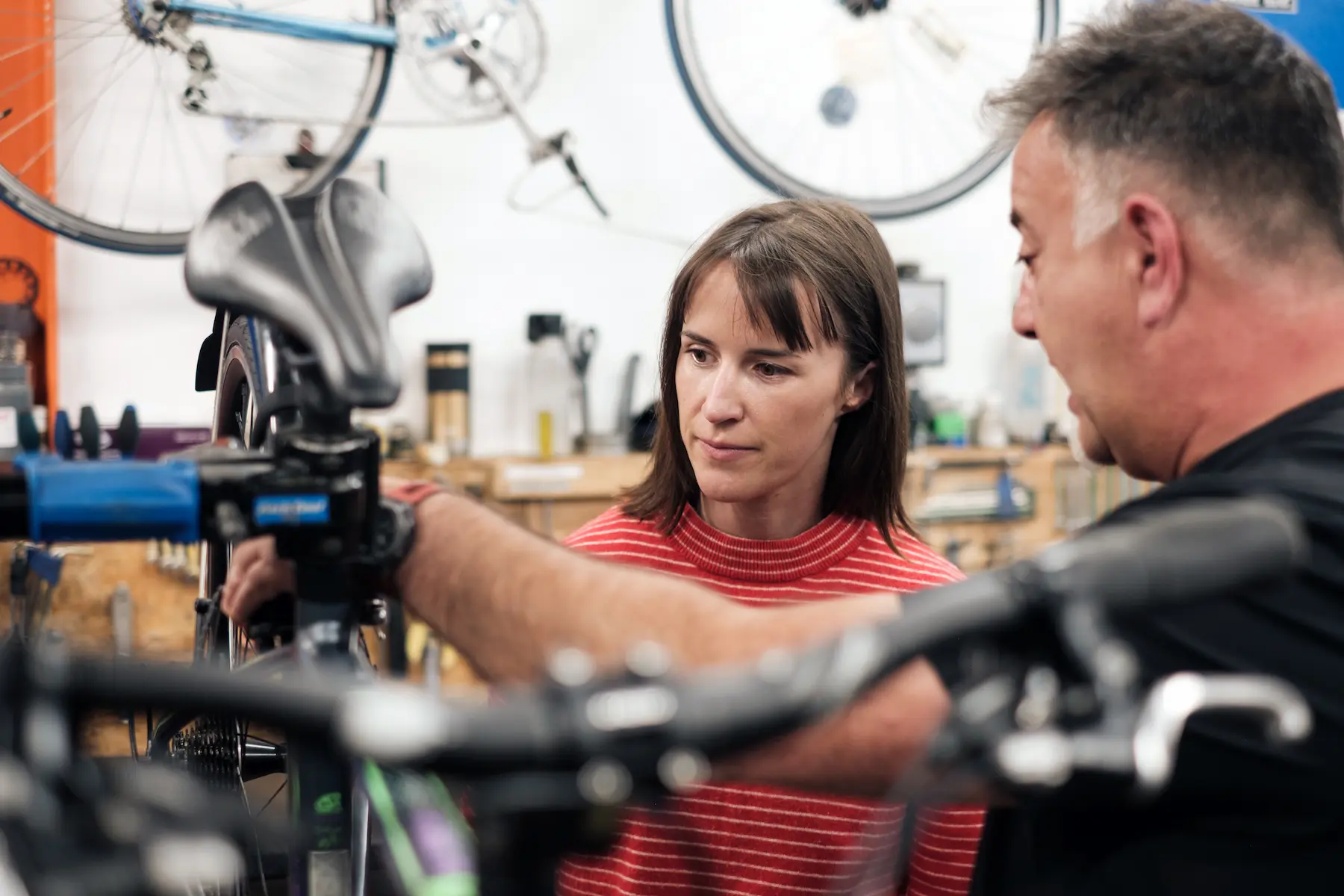
These findings show that circular economy communication needs to move beyond simply making the term more visible. Awareness is growing, but awareness alone is not enough. The real challenge is helping people understand how the circular economy concepts connect with their daily lives, their communities and the choices they make every day. This means using clearer language and focusing on actions people already understand, such as repairing, reusing, sharing, borrowing, buying second-hand, reducing food waste and making products last longer.
These actions are much easier to connect with than abstract concepts, especially when people can see a direct benefit, such as saving money, reducing waste or supporting their local community. The study also suggests that communication should not treat the public as one single audience. Different groups face different barriers, trust different sources of information and engage with circular economy behaviours in different ways.
For policy, this is also an important lesson. People cannot be expected to change behaviour if the systems around them do not make that behaviour possible. Asking people to repair more, reuse more or reduce waste only works when services are visible, affordable and accessible. Communication can encourage action, but it needs to be supported by real infrastructure and practical opportunities.
Final thoughts
So, are people in Ireland hearing about the circular economy? Yes.
Do they fully understand what it means? Not yet.
But this gap should not be seen only as a problem. It is also an opportunity. The 2025 Circular Economy Key Insights Report shows that public awareness is growing, support is strong, and many circular behaviours are already increasing, even when people do not fully understand the term itself. The next step is to make the circular economy more meaningful, relatable and practical.
Find the full study here.