To get real engagement in the circular transition, it is essential that people understand it, trust it, see it in action, and know how to take part. That was the challenge at the heart of creating Circular.ie.
Circular.ie was developed as a national platform for circular economy communications and public engagement, a place to encourage circular action through simple, digestible information and guidance.
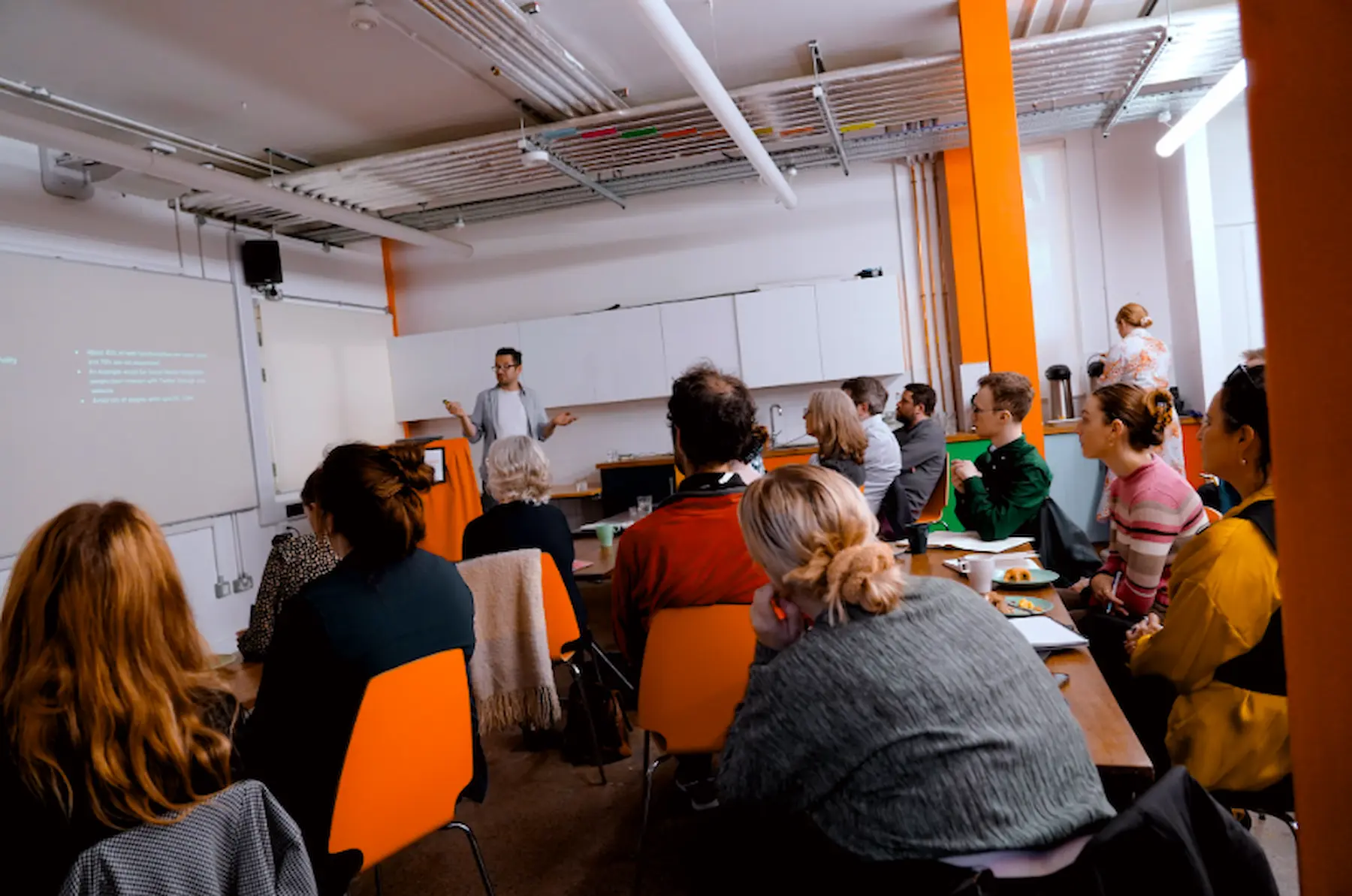 The problem we faced
In 2021, Ireland’s circular economy transition was already moving across several fronts. National policy had recognised the need to raise awareness of the circular economy among a wider audience. Research showed low awareness and limited understanding of circularity in Ireland. This positioned Circular.ie as a platform that could help deliver national awareness and understanding.
Circular economy action was already happening across many organisations and sectors. Community initiatives such as repair cafes and reuse networks were well established, elsewhere, clothes swaps and libraries of things emerged. There were clusters of circular activity happening on a local level that couldn’t be ignored, and these were our starting point. Alongside this, waste prevention programmes, research organisations, and international examples were all delivering circular tips and information.
While positive, this diverse activity also created a communication challenge.
When information is spread across many places, people may not know where to start, and their impact can become diluted.
Circular.ie emerged from that need for coordination.
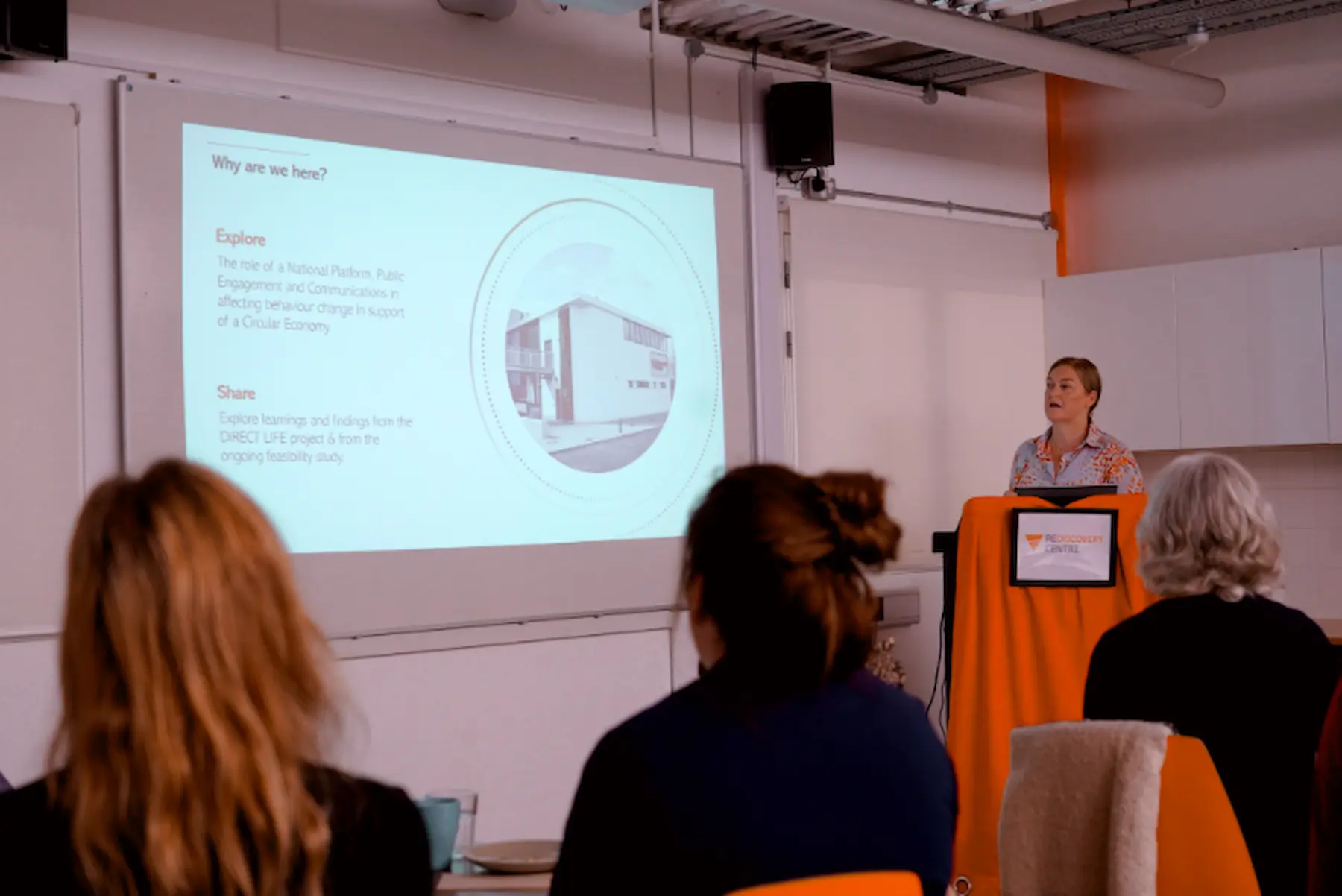 A roadmap built from research, workshops, and stakeholder insight
Circular.ie was not created from a single idea in isolation. It was developed through a structured roadmap process.
The project team carried out primary research, reviewed Irish and international policy, examined existing circular economy platforms, identified stakeholders, held one-to-one interviews, engaged through workshops, and consulted experts in communications, public engagement, and behavioural science.
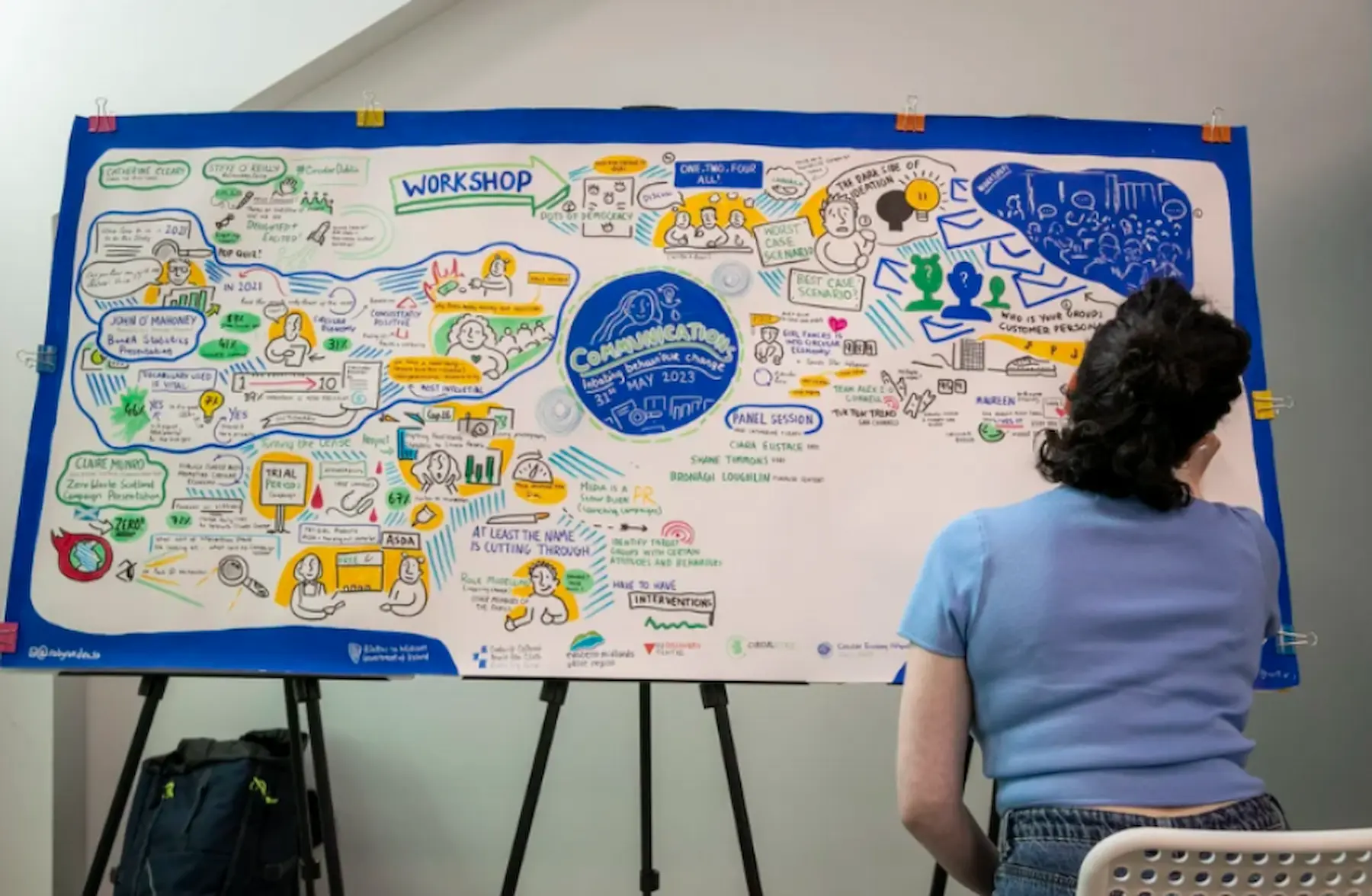
A stakeholder workshop on communications and public engagement asked direct questions: how could a national platform support public engagement, what research or insights could help public-facing communication, what challenges did stakeholders face, and who were the main communication and research actors in the circular economy space?
These questions show the real purpose of Circular.ie. It was not just asking, “What should we say?” It was asking, “What does the system need?”
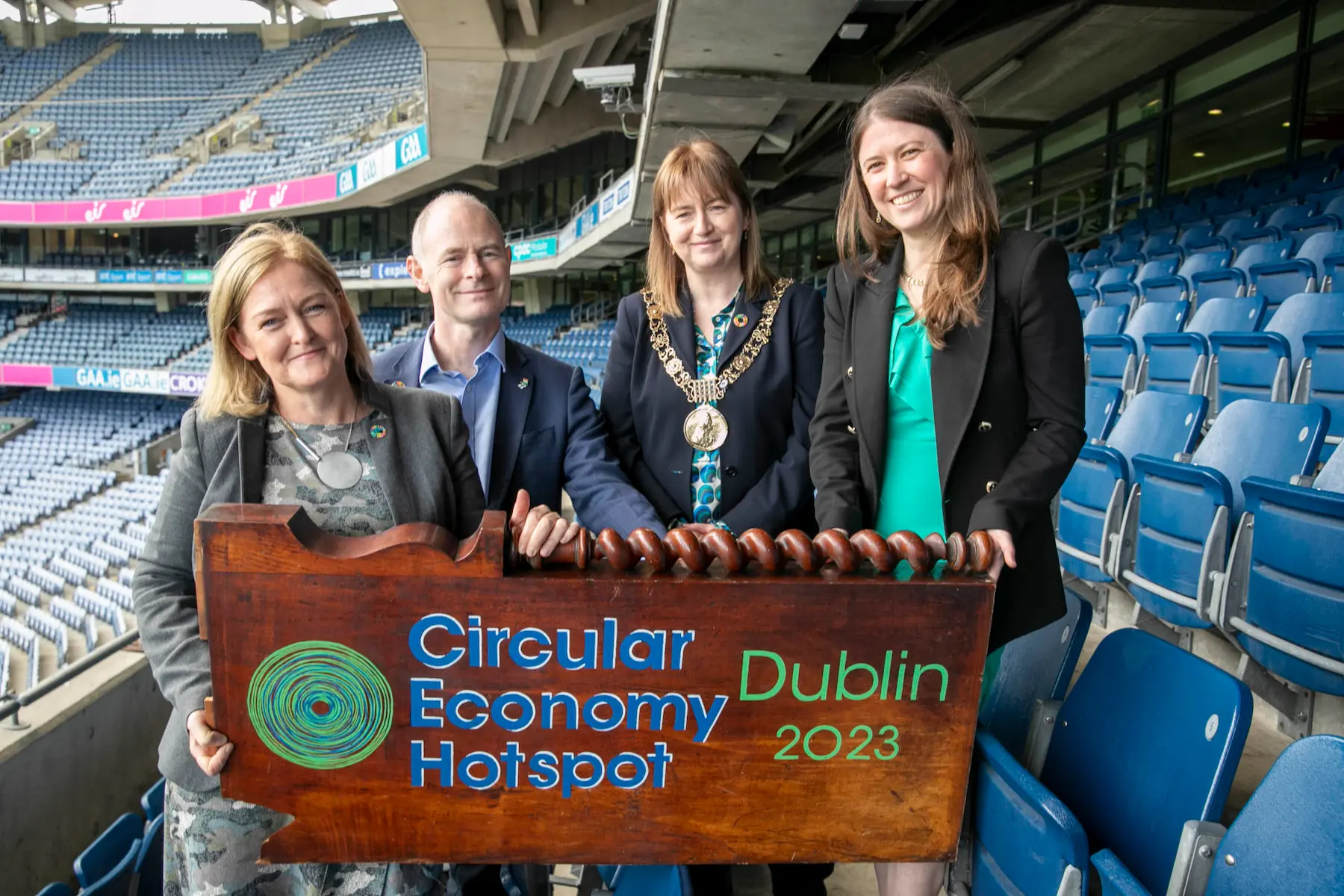 The project reviewed circular economy platforms across EU member states, other European countries, and further afield. This included more than 120 platforms.
This kind of mapping was important for two reasons.
First, it helped identify what good circular economy platforms can do: share knowledge, connect actors, support campaigns, provide resources, and make activity more visible.
Second, it helped Circular.ie avoid duplication. Ireland already had valuable organisations and initiatives working in the circular economy space. Amplifying, supporting and connecting communities was the goal.
Bringing the ‘circular economy’ to life
Another important finding was that communication around circularity needed to become more relevant to different Irish audiences.
That question of making the circular economy relevant is central to the platform.
For many people, the language of circularity can feel abstract. But circular actions are often familiar. People might already be repairing their belongings, sharing and borrowing tools, reusing containers, buying second-hand furniture and choosing durable products. The platform was designed to help make those links clearer and show a more relatable side to the circular economy.
The platform’s vision included several practical functions: enabling community and public engagement, benefiting a wide range of stakeholders, encouraging behaviour change, fostering coordination and collaboration, delivering online and offline content, and supporting knowledge and capacity building in communications for a circular economy.
 Positive communication, not fear
The PR strategy for Circular.ie was underpinned by research, which identified recognised a key communication challenge: linking to global problems can lead to anxiety and inaction.
The strategy was designed around messaging that is fresh, positive, encouraging, and inspiring. It also emphasised that circular economy communications should connect with people through regular touchpoints in daily life, rather than only through sustainability-focused stories.
For example, if circular economy communication only appears in environmental spaces, it may reach people who are already interested. But circular approaches need to become part of ordinary life: food, fashion, homes, transport, parenting, business, schools, local communities, and public services.
Research behind the PR strategy also identified the importance of showing practical examples. The PR response was using stories and case studies to show that the circular economy is already happening in real time, and to give people tangible ways to get involved.
This is where Circular.ie can help move communication from concern to possibility.
 A five-year journey
We know that the circular economy transition will not happen through a single campaign or launch event. Repeated communication, practical tools, partnerships, public engagement, research, and community support will build our message over time.
Launched in 2025, the platform will continue to grow and develop, reflecting research and best practice. We invite you to join us on this journey, share your feedback and to help us in driving real engagement in Ireland’s circular transition.