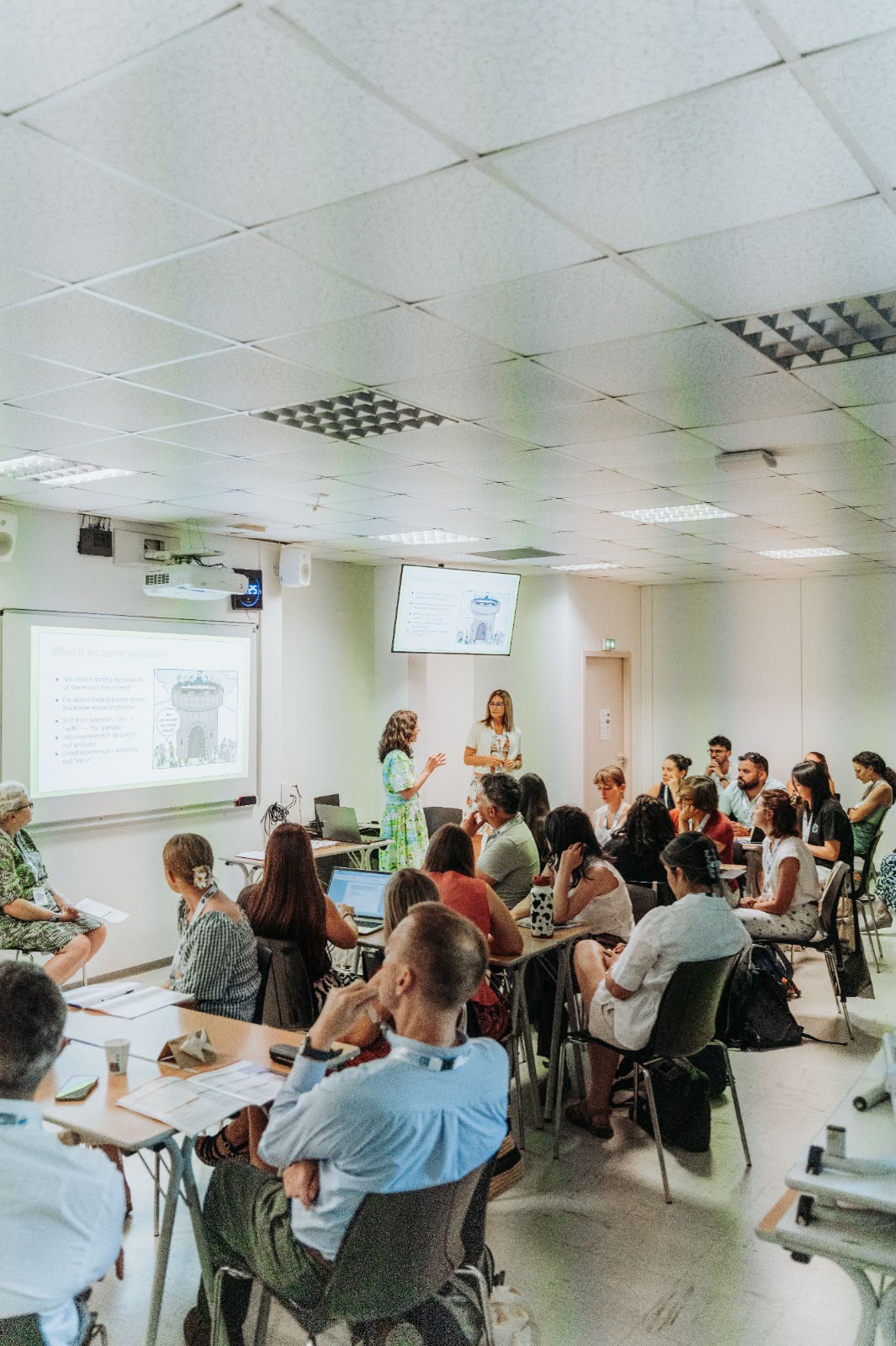
Presenting Circular.ie’s research in Montpellier
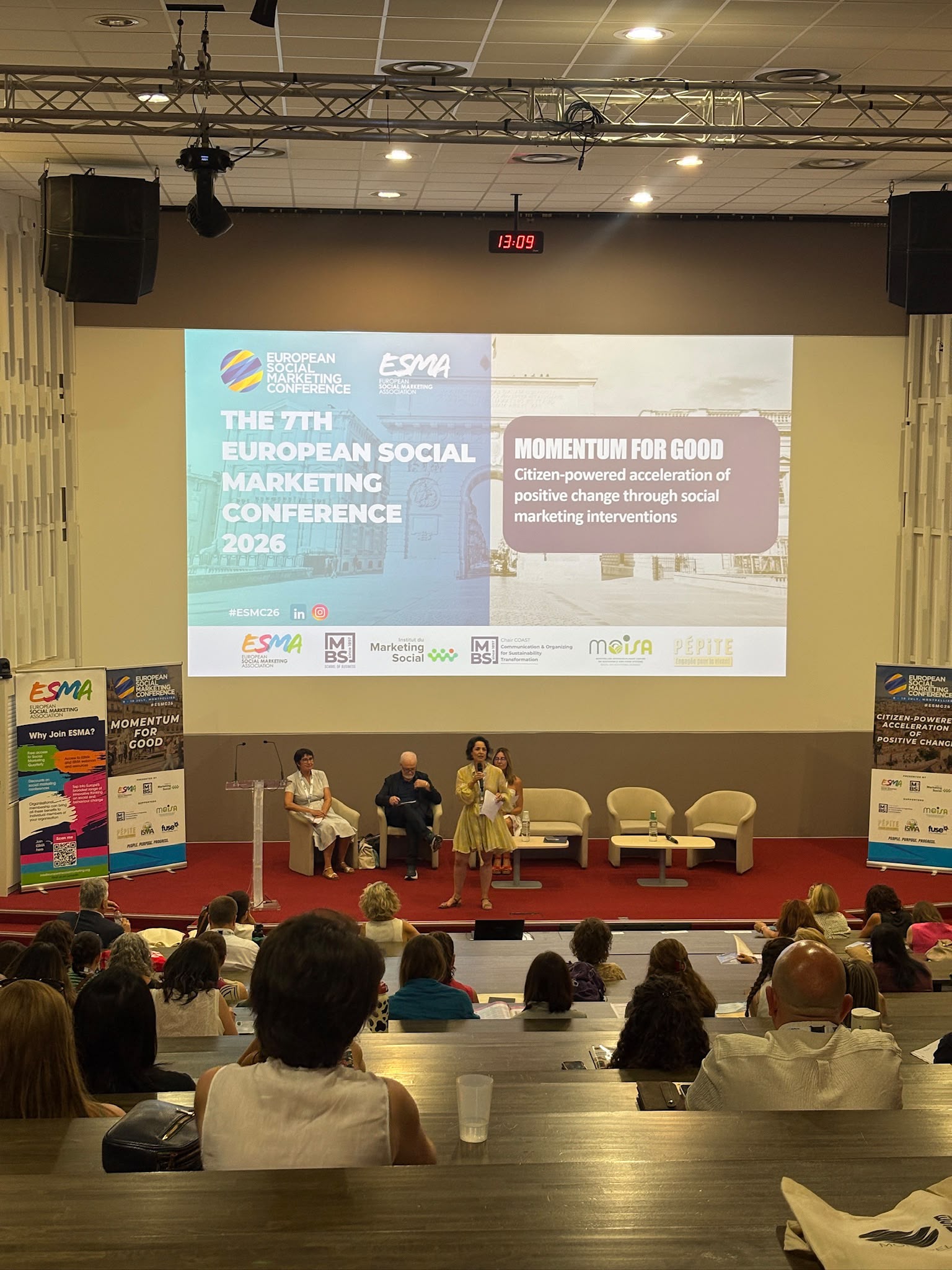
This July, I had the opportunity to represent the Rediscovery Centre and Circular.ie at the 7th European Social Marketing Conference in Montpellier, France. The conference brought together researchers and practitioners working across a wide range of social and environmental challenges, with a shared interest in understanding how social marketing can help create meaningful and lasting change.
I presented Moments of Change: Designing Circular Economy Communication Around Life Events in Ireland, based on Circular.ie’s 2026 Synthesis Report. The research examines how major life transitions, including moving home, becoming a parent, changing jobs and retiring, can disrupt established routines and create opportunities for people to reconsider how they consume, reuse, repair and dispose of goods.
The work combined a targeted scoping review of literature published between 2015 and 2025, with qualitative research conducted by Ipsos B&A on behalf of the Rediscovery Centre. Six online focus groups explored five transition moments and helped us understand how everyday pressures, responsibilities and emotions shape people’s decisions during periods of change.
One of the central findings is that life transitions may create openness to new behaviours, but they do not automatically lead to more circular choices. Moving home, starting a new job or welcoming a child can make existing habits more visible, yet these moments are also frequently accompanied by financial pressure, uncertainty, time constraints and changing responsibilities.
This means that timing alone is not enough. Circular-economy communication must be practical, trustworthy and relevant to the transition someone is experiencing. It must also connect people with services, infrastructure and support that make action possible. Awareness cannot overcome a lack of accessible repair services, affordable alternatives or convenient systems for reuse and sharing.
Presenting this work to an international audience was a valuable opportunity to share what we have learned in Ireland, and to place it within wider conversations about behaviour change. It also allowed me to reflect on the importance of communicating research accessibly. The ideas behind life transitions and behavioural disruption are complex, but their relevance becomes clear when they are connected to familiar experiences and everyday decisions.
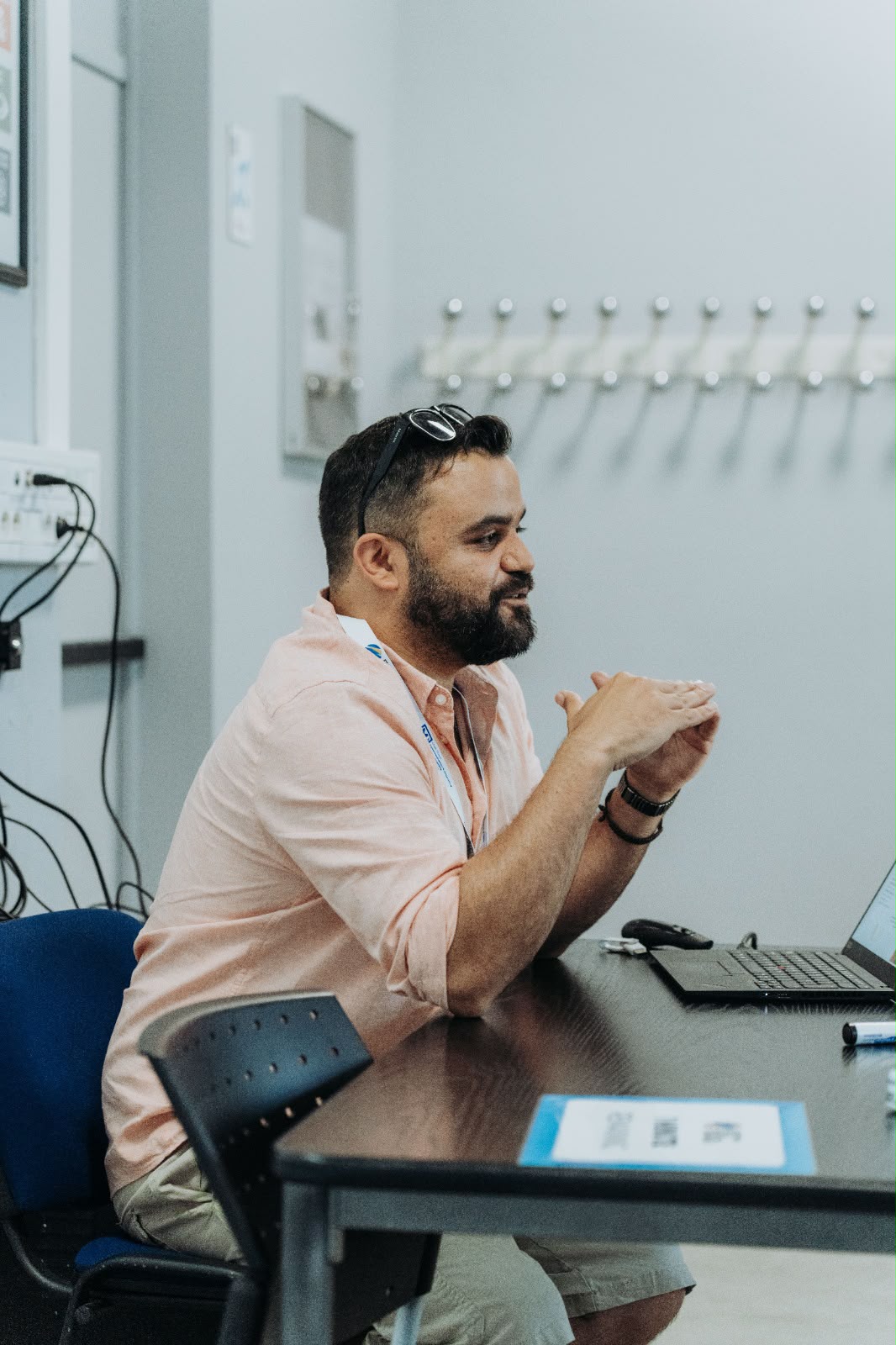
Moving from audiences to people
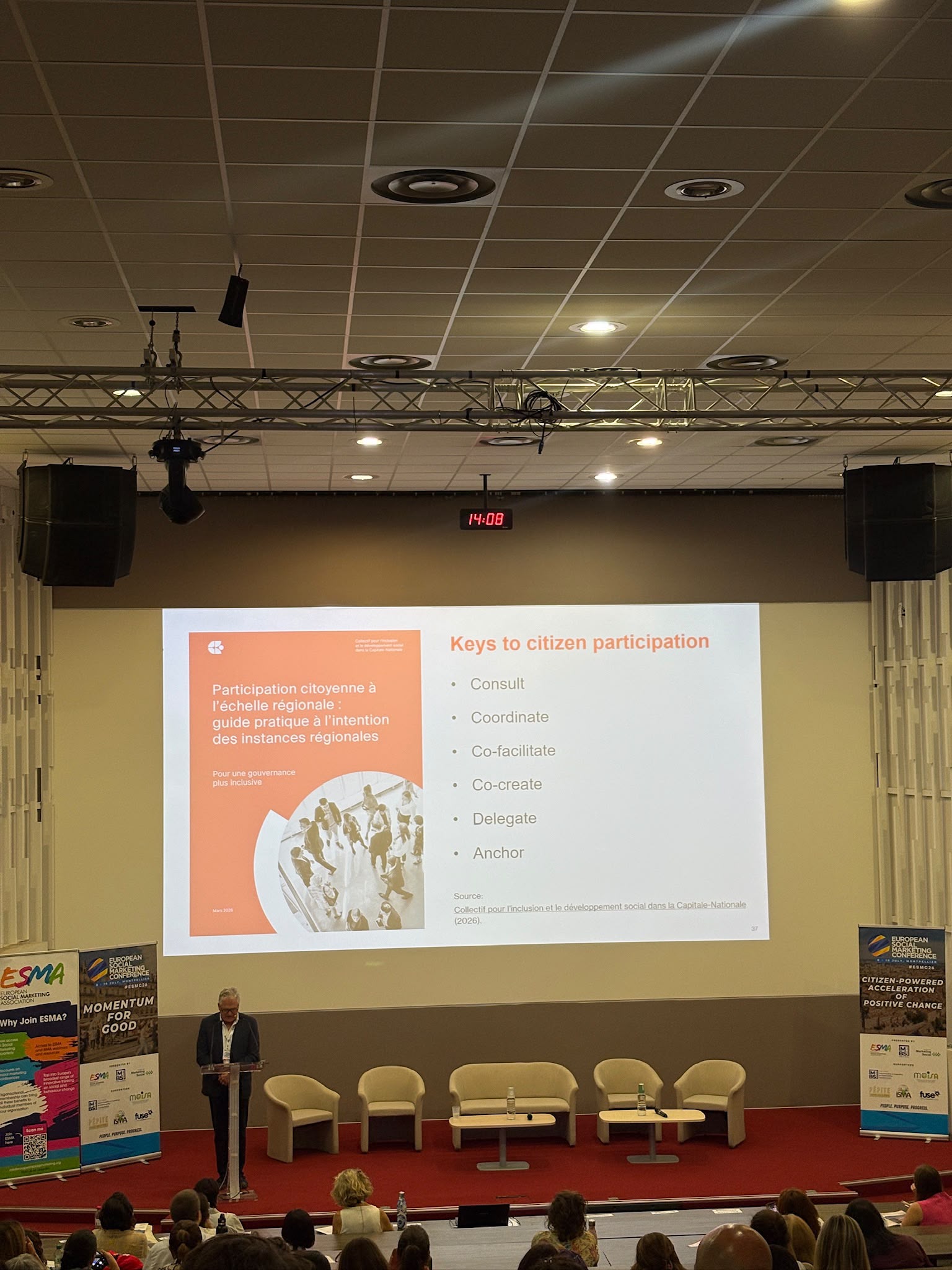
One of the most thought-provoking sessions I attended was François Lagarde’s It’s Not About You: Developing a Citizen-Centred Mindset. The session challenged organisations to move beyond viewing people only as target audiences whose attitudes or behaviours need to be changed.
A citizen-centred approach involves people in defining the problem, establishing priorities and developing solutions. It recognises lived experience as a form of expertise and asks organisations to think, decide and act with communities rather than simply communicating to them.
This distinction is particularly important for circular-economy initiatives. Consultation can become tokenistic when people are invited to comment on decisions that have effectively already been made. Meaningful participation requires clarity about what citizens can influence, how their contributions will be used and which constraints already exist. It also requires time, accessible facilitation and practical support that enables different groups to participate.
Designing environments that make action possible
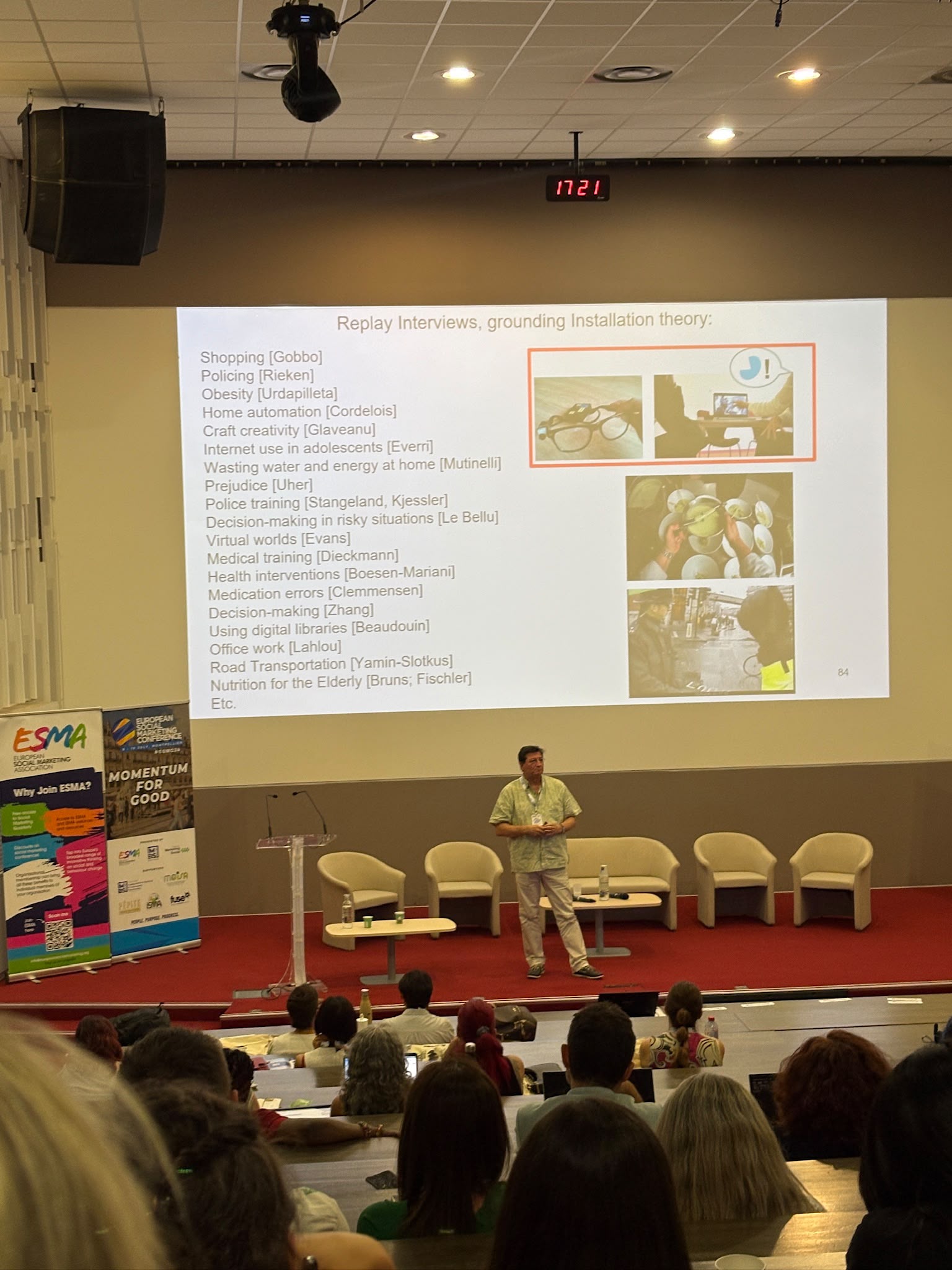
Professor Saadi Lahlou’s presentation on the “channelling” approach offered another useful perspective. His central argument was that behaviour is shaped not only by individual motivation, but also by the physical environments, shared knowledge and social rules surrounding an action.
This has direct implications for circular behaviour. People may understand the value of repairing, reusing, sharing or recycling but still be unable to act if services are difficult to access, expensive or poorly integrated into their routines. Instead of relying primarily on campaigns that ask individuals to make better choices, organisations must also examine the complete journey behind a behaviour and identify where practical barriers arise.
Several conference case studies reinforced this message. Research on waste separation in hotels found that communications emphasising ease and low effort performed better than messages based on humour or gamification. A reusable-cup trial in an Australian tourist destination showed that providing cups was not sufficient: return points needed to follow people’s actual journeys, and staff had to actively explain and offer the reusable option. Research in social housing similarly demonstrated that waste sorting cannot be separated from housing design, collection systems, shared spaces and relationships among residents, housing providers and local authorities.
Across these examples, the lesson was consistent: communication is most effective when it is supported by an environment that makes the desired behaviour realistic and convenient.
Different lives require different approaches
A session on household food waste also highlighted the limitations of one-size-fits-all interventions. Food waste results from a series of connected practices, including planning, shopping, cooking, storing food and managing leftovers, and these practices change according to household schedules, unexpected events and caring responsibilities.
This echoed our own findings on life transitions. People do not experience change in the same way, and even one household may have several different “typical” weeks. Effective communication therefore needs to reflect people’s routines, resources and capabilities rather than assuming that one message or recommendation will work for everyone.
Using AI with care
The conference also considered how artificial intelligence and digital technologies could accelerate social-marketing interventions. AI offers clear opportunities, including analysing large volumes of information, personalising messages, providing multilingual support and automating repetitive research tasks.
However, the plenary led by Dr Agnès Helme-Guizon and Professor Caroline Wiertz also highlighted serious risks. AI systems can reproduce bias, provide incorrect information, undermine privacy and create dependency. Their environmental footprint, particularly the energy and water required to operate data centres, must also be considered.
For organisations working in sustainability, the discussion was an important reminder that technological efficiency should not be treated as an end in itself. The question is not simply whether AI can make an intervention faster or cheaper, but under what conditions it can contribute responsibly to social and environmental goals.
Bringing the learning back to Circular.ie
Although the conference sessions explored very different contexts, several common principles emerged. Sustainable behaviour change depends on more than awareness or good intentions. It requires participation of the general public, an understanding of everyday circumstances, collaboration across organisations and practical systems that support action at the right moment.
These ideas strongly connect with Circular.ie’s work. Our role is not only to explain the circular economy, but also to investigate how people understand it, identify the barriers that prevent participation and translate evidence into more effective communication and practice.
Attending and presenting at ESMC 2026 gave me the opportunity to share our research, learn from international examples and return with new questions for our work. Most importantly, it reinforced a simple but significant idea: if we want circular choices to become part of everyday life, we must communicate with people in ways that reflect their lived realities and help create the conditions that allow them to act.